SOURCING GUIDES
Tofu Cat Litter OEM: 10 Pitfalls to Check Before You Place an Order
October 20, 2026
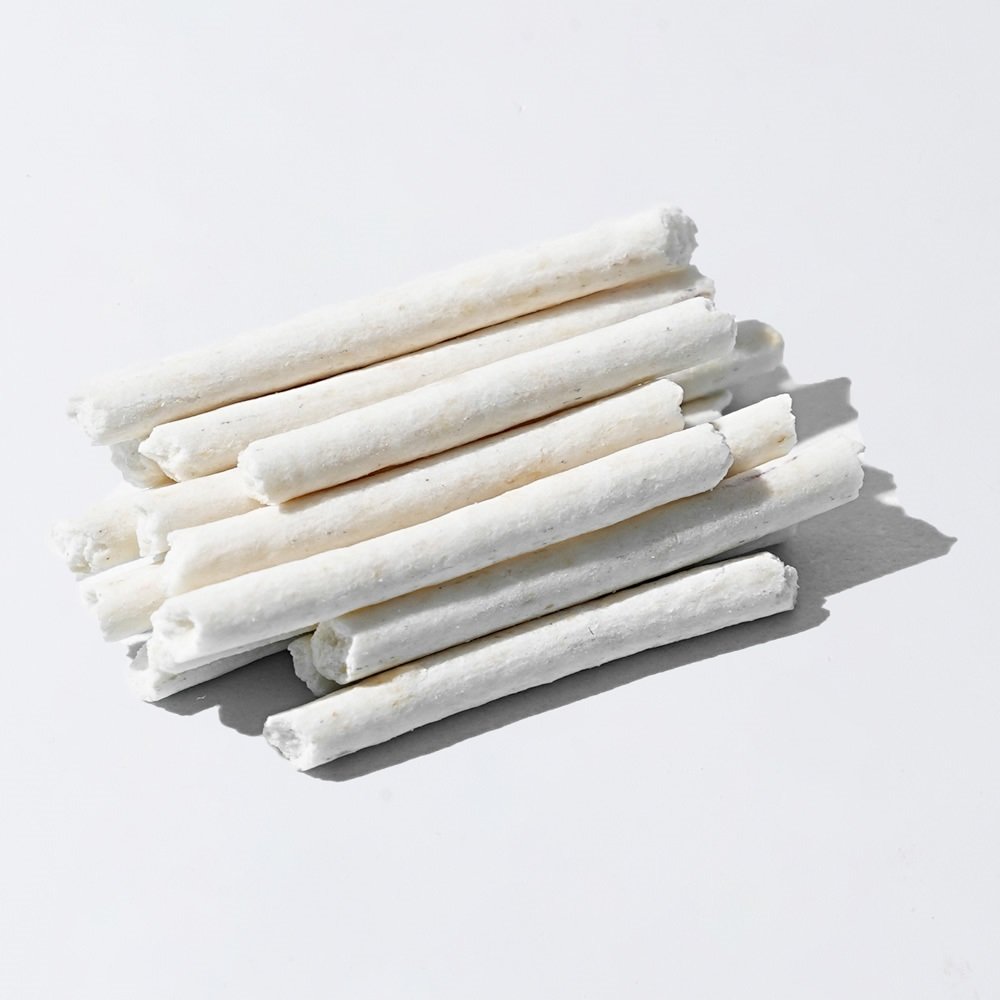
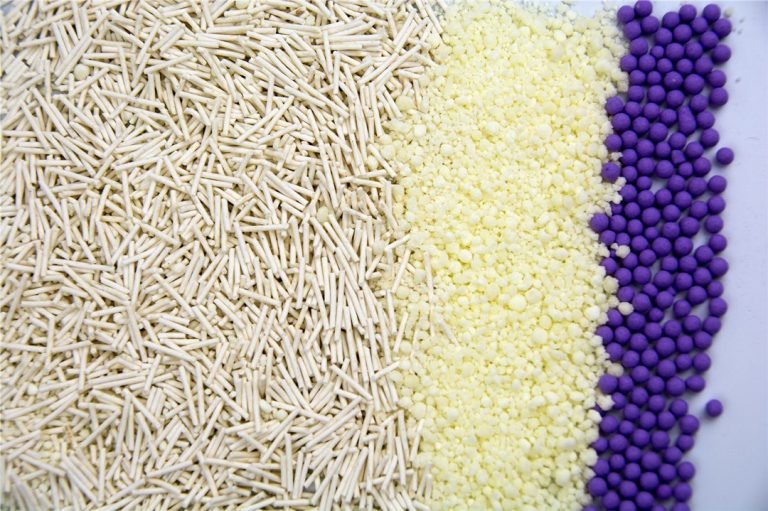
Tofu cat litter—natural, low-dust, and flushable—is one of the fastest-growing categories in pet supplies. Sourcing from an OEM factory looks simple, but the information advantage sits entirely on the factory side: ingredients can be diluted, moisture can be inflated, samples can outperform the bulk run, and quotations can quietly omit fees.
When problems surface only after the goods reach port, returns are nearly impossible, your listings go out of stock, and a single bad container can wipe out a year’s profit.
Run through these 10 checks before you sign anything.
Pitfall 1: A trader pretending to be a factory Insist on a live video factory tour, not a pre-recorded promotional film. Ask to see, at random: the raw-material warehouse, pelletizing lines, drying equipment, screening and packing areas, the QC lab, and finished-goods storage. Have them hold up a piece of paper with your name and that day’s date on camera, alongside the equipment and factory signage. For sizeable orders, book a third-party audit (SGS, Intertek, and similar). A “factory” quoting 15–20% below everyone else is usually a trader’s bait.
Pitfall 2: Fillers that add weight instead of quality Tofu litter is built on dried okara (tofu residue). Low-end producers bulk it out with quartz powder and calcium carbonate to add weight and cut costs—which kills absorption and raises dust. Worse, cheap stone powder and industrial binders may contain formaldehyde that can keep releasing for years. Some add bentonite or talc: the litter sinks and clogs toilets, destroying your flushable claim.
Four quick checks:
- Smell — a fresh bean aroma, not musty, sour, or chemical notes.
- Look — beware unnaturally white or gray pellets.
- Soak — stir a handful into water; genuine tofu litter disperses evenly, while sinking or pasty residue signals adulteration.
- Lab-test — specifically request formaldehyde, heavy metals (lead, mercury, cadmium, chromium), aflatoxin, Salmonella, and total mold/yeast counts.
Pitfall 3: Substandard clumping agents Reputable factories use natural gums and starches—guar gum, xanthan gum, and pregelatinized starch. Low-end makers use synthetic binders such as PVA (polyvinyl alcohol): clumps come out hard and costs stay low, but the litter is slow to biodegrade and can block toilets.
Test it yourself: pour 50 ml of lukewarm water onto a standard-depth litter bed and time clump formation. After 3 minutes, lift the clump and shake it gently—it should hold together without breaking or sticking to the tray. Repeat three times.
Pitfall 4: Excess moisture Skipping a few minutes of drying saves energy and adds weight to every bag. Over-moist tofu litter in a hot, humid shipping container is a mold and infestation problem waiting to happen.
Put a moisture cap in your contract (the industry commonly holds 8–12%, but confirm against the sealed sample), have inspectors spot-check with a moisture meter, require moisture-proof inner bags, and prefer vacuum packing for ocean freight.
Pitfall 5: “Dust-free” is marketing language No tofu litter is truly dust-free; the market only distinguishes regular, low-dust, and near-dust-free grades. Don’t write “low dust” into a contract—write the test method and a maximum instead: pour from a fixed height and observe airborne dust; sieve a sample with standard mesh and weigh the fines. Shake and tumble the bag before testing to simulate a month at sea.
Pitfall 6: Perfect samples, inconsistent bulk Samples are made from hand-sifted material; mass production runs on the line, and this is the single most common complaint.
- Seal counter-signed samples in triplicate, marked with batch number and date.
- Agree tolerances for pellet size, bag weight, color, dust, and moisture.
- Start with a small trial order before scaling up.
- Inspect twice: mid-production (around 70% complete) and before container loading.
- Send the first batch—and regular batches afterward—to a third-party lab; verify report numbers on the laboratory’s own website.
Pitfall 7: Packaging traps can cost more than the litter
- Flexible packaging usually starts at one 6,000-meter film roll; agree upfront who pays for leftover material.
- Plate (cylinder) fees are charged per printing color and are often refundable after a set print volume—negotiate it.
- Plate-making, press proofs, printing, and delivery to the factory take 3–4 weeks; build this into your lead time.
- Always sign off on a physical press proof before the full print run to prevent color drift, misregistration, and blurred artwork.
- 10 kg bags need load and drop tests.
- Prepare multilingual labels, net weight (kg and L), barcodes, shipping marks, and IPPC-compliant pallets in advance.
Pitfall 8: Certificates can be photoshopped—report numbers can be checked The MSDS/SDS and a non-hazardous cargo transport appraisal (sea/air) are the basics for booking freight. ISO 9001/14001/45001 certificates describe the factory’s management systems—they are not product safety certifications. For the EU, check REACH/SVHC; for the US, food-grade raw-material statements and Prop 65 are commonly requested.
Verify every report on three points: is the named company actually the factory, is the document still valid, and can the report number be confirmed on the laboratory’s website?
Pitfall 9: Incomplete quotations—the missing fees come back at payment Pin down the Incoterms first: EXW, FOB, CIF, and DDP place very different costs and responsibilities on you. Ask for an itemized quote covering packaging, plates, commodity inspection, customs declaration, pallets, loading, port charges, fumigation, documentation, and exchange-rate terms.
Do two calculations yourself: bulk density determines how many liters—and how many bags—one tonne yields; recalculate loading for 20GP and 40HQ containers from carton dimensions instead of trusting a verbal “26 tonnes per container.”
Standard payment is 30% T/T deposit, 70% against the B/L copy. Set the lead time in days with a late-delivery penalty, and expect a quantity tolerance of roughly ±5%.
Pitfall 10: After-sales, formulations, and customer protection Put in writing: the claims window after arrival, the evidence required (photos, videos, third-party reports), and what triggers replacements, discounts, or refunds. Your packaging artwork and plates are your property and must never be reused. If you pay for an ODM formulation, secure exclusivity by territory or channel. The factory must not contact your end customers or display your packaging at trade shows. Sign an NDA before sharing pricing and channel details.
Your 10-question checklist before ordering
- Will they accept a live video audit?
- Can they explain okara sourcing, stone-powder ratio, and ash content?
- Natural gums or synthetic clumping agents?
- Can formaldehyde, heavy-metal, and microbiological report numbers be verified?
- Is there a per-batch moisture record?
- Are dust and fines test methods and limits written into the contract?
- How many sealed samples are held, by whom, and for how long?
- Have MOQ, plate fees, press proofs, and the 3–4 week packaging timeline been agreed?
- Are the Incoterms and every fee itemized? Have you rechecked loading capacity yourself?
- Are late-delivery penalties, quality claims, formulation exclusivity, and customer protection signed?
Closing thought Reliable factories share the same signs: they accept live audits, put test methods in the contract, itemize every fee, agree to penalty clauses, and retain batch samples. Avoiding pitfalls isn’t about distrusting every factory—it’s about replacing “trust us” with a process that protects both sides.